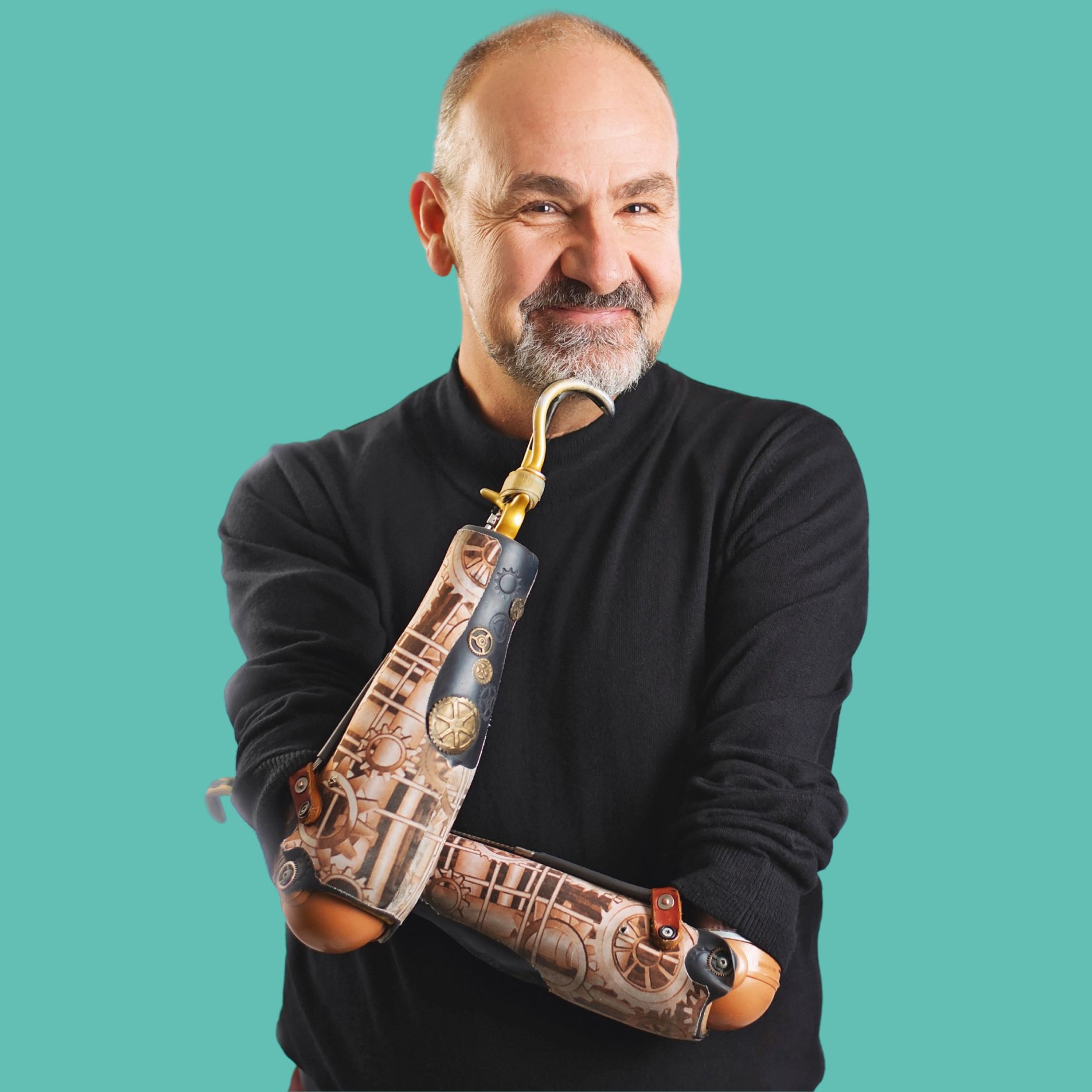
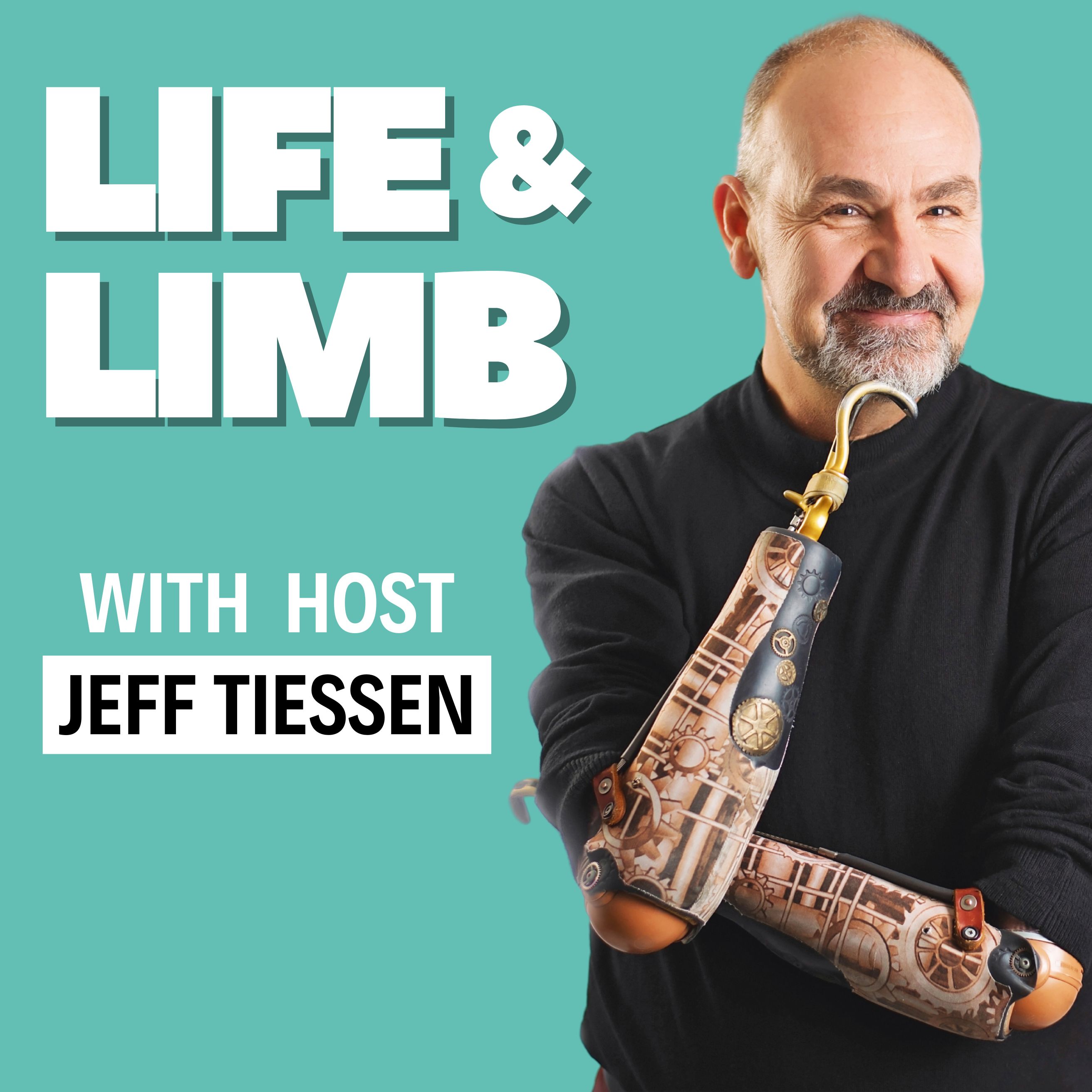
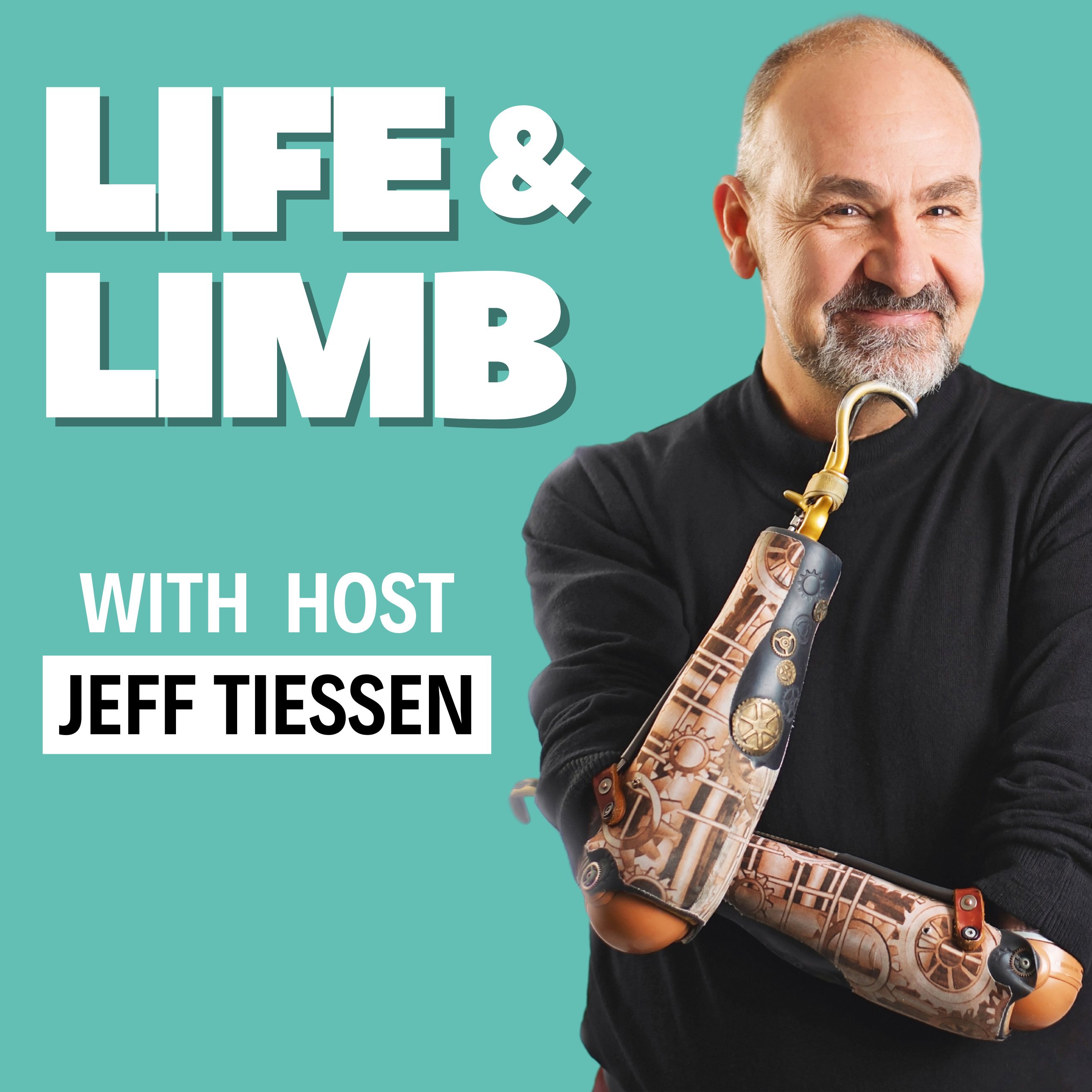
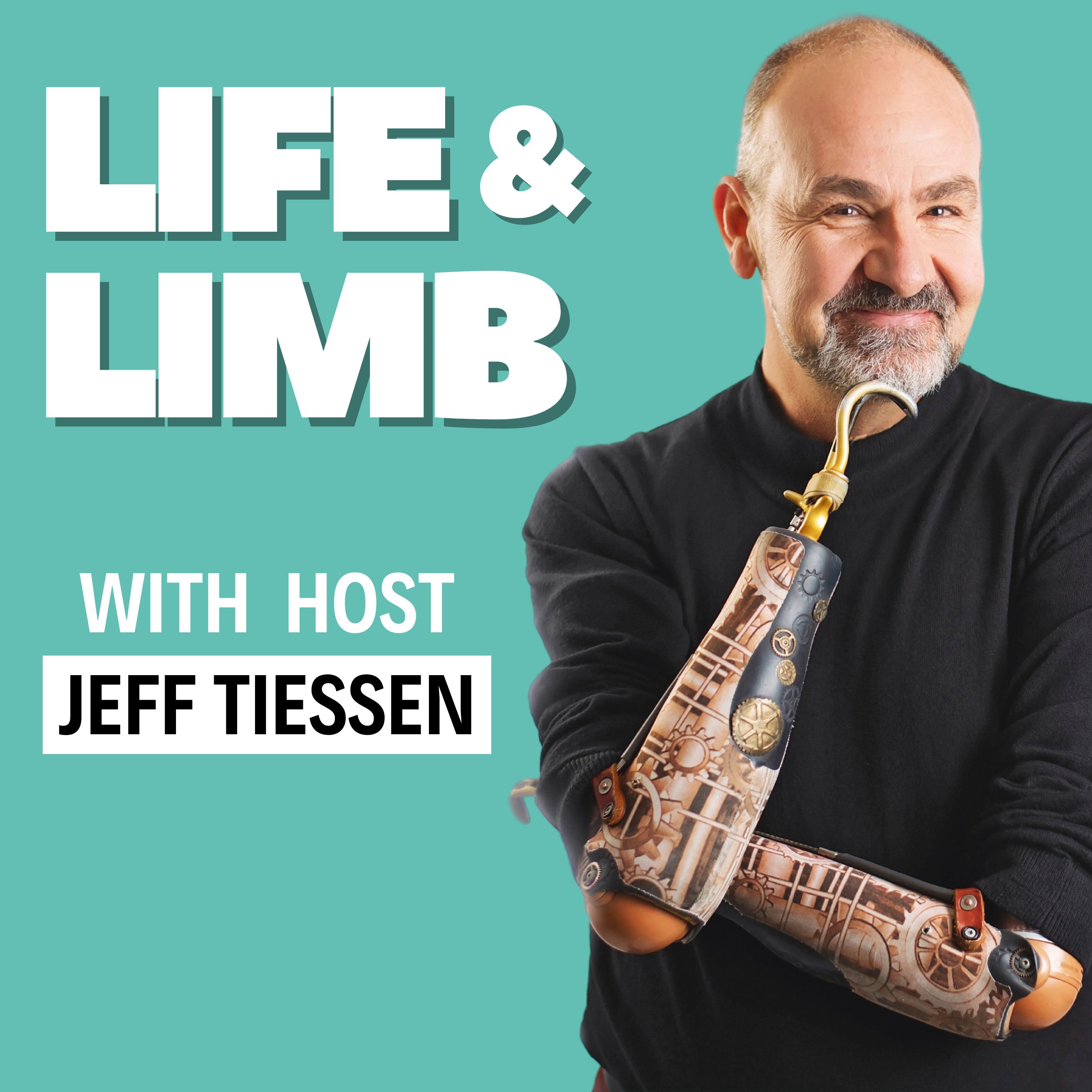
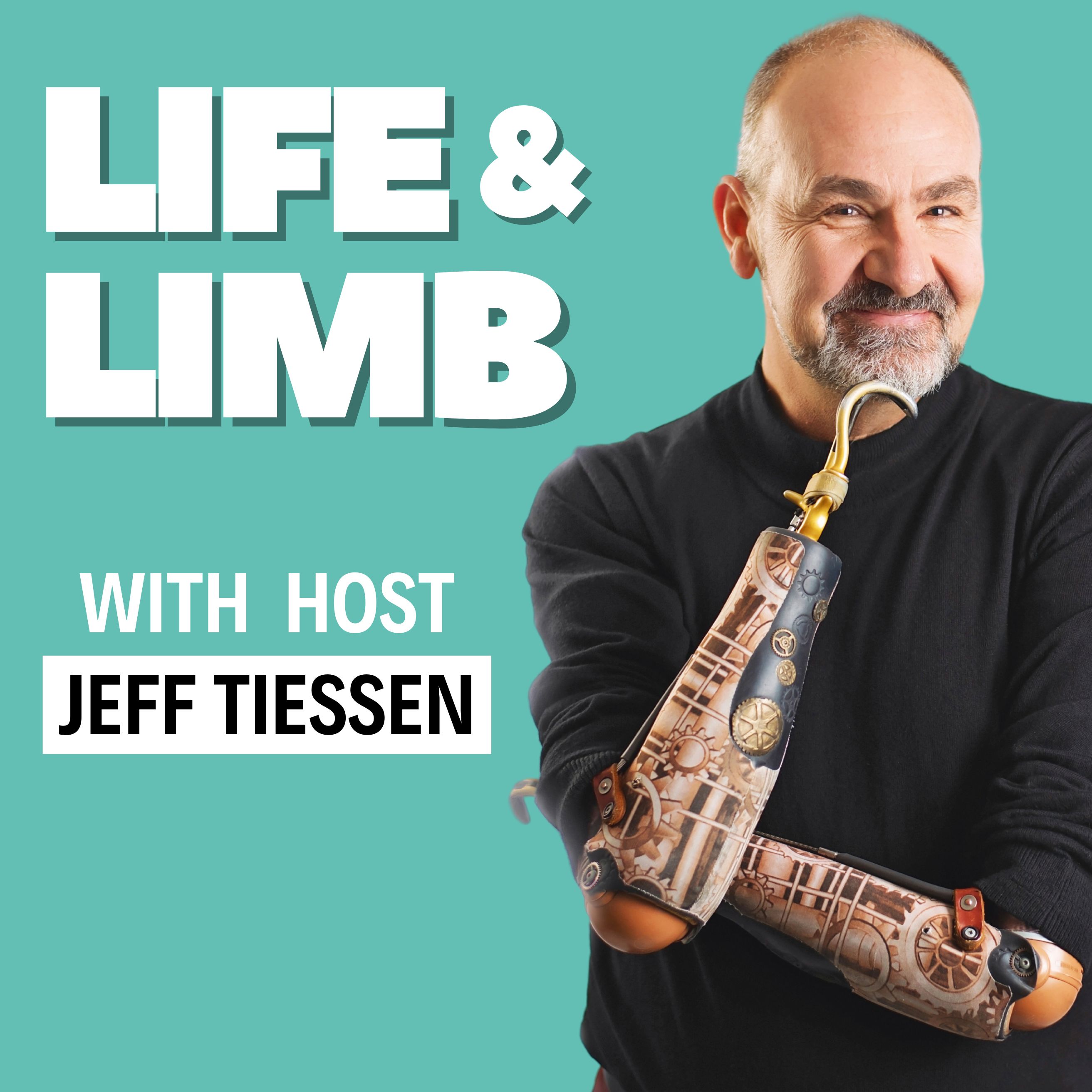
[00:00:02] Speaker A: Welcome to Life and Limb, a podcast from Thrive magazine all about living well with limb loss or limb difference. I'm Jeff Thiessen, publisher of Thrive magazine and your podcast host. My guest this episode is accessible travel specialist Tanya Rabe.
Despite facing her share of travel challenges as an above knee amputee and someone who lives with rheumatoid arthritis, it's those experiences that have really fueled Tanya's passion for making travel accessible to everyone.
It's that passion that centers around finding detours, detours around roadblocks to make for accessible and joyous adventures.
Tania does that for clients with and without disabilities through Right Foot Adventures, her own travel agency. And for her, it's all about research and planning ahead and problem solving and really importantly, confidence.
So she's going to tell us how, how she helps take away some of the fear of traveling with a disability that so many of us can experience.
I'm so pleased to welcome Toronto's Tanya Rabe. Oh, Rabe, I messed that up. Sorry, sorry. Tanya.
Tanya, welcome. How are you doing?
[00:01:18] Speaker B: I'm good, Jeff. Thanks for having me here today. It's very exciting and it's not snowing, so I'm really happy about that.
[00:01:25] Speaker A: That's terrific.
I guess when snow comes, your business probably picks up. I'm wondering, travel plans for yourself or just planning for others for the winter.
[00:01:36] Speaker B: Ironically, I travel less now than I did when I before I became an accessible travel agent because I'm so busy helping other people travel. But that's okay. I love it. I feel like I'm there with them, so it's okay.
[00:01:51] Speaker A: So you can live by the vicarious experience, I guess.
[00:01:55] Speaker B: Yes, yes, that's great.
[00:01:57] Speaker A: You know, I do want to ask you about growing up as a child amputee and being an amputee teenager in the 90s, and I will, but, but first, let's start with travel. So what brought you to here, so to speak? You know, opening your own travel agency. Why was that so important to you?
[00:02:16] Speaker B: Well, it's kind of a, it's a short, long story, but during COVID when everyone else on the planet, along with myself, had a lot of time to think about life and what makes us happy and joyous in life. And I, I loved my job at the time, but I wanted something more challenging.
And so that got me thinking, you know, more into tune and as to what I love to do. And that was traveling, obviously, and how I could make that part of my daily life.
And with that, you know, I was like, okay, traveling, helping other people. Because I really, you know, part of my job at the time was being part of an organization that helps other amputees. So I wanted to implement that into something else.
And I also wanted to be honest, to work from home, because as a person with a disability and rheumatoid arthritis, being my own boss and setting my own schedule was really important to me.
And so I thought, okay. And that's honestly when I decided that becoming an accessible travel agent was the way to go.
So part of that thought process was me thinking about my own travel path and how difficult something as simple as, you know, booking a hotel room with a shower chair.
And so, you know, it was like a big brainstorm. It wasn't like an overnight decision by any means.
And part of honestly my thought process at that point was, is this a midlife crisis?
Well, not yet.
So I enrolled at Humber College in their travel agency operations course. Because again, midlife crisis, I don't know what's happening, but I thought if I did that and I did the course, got my diploma and I still loved it, that I knew I was on the right path.
So obviously I graduated and I knew that it was time to, you know, look to the future for myself.
And at that point in time, some events had transpired in my career that at the time I thought were, you know, life shattering and unfortunate, but they actually turned into the best thing that ever happened to me.
And it's really true when they say, you know, when one door closes, another one opens. And, and that was how Right Foot Adventures came to be. So my passion for it is based on It Takes one, no one the name for my business, Right Foot Adventures. I cannot take credit for it.
That was my friend Keith Murphy in Calgary.
For those who are listening, I am a left above knee amputee, so I only have one right foot. So Right Foot Adventures was born.
[00:05:49] Speaker A: That was my next question. Are you a left leg amputee or a right leg amputee?
[00:05:54] Speaker B: I'm a left leg.
[00:05:56] Speaker A: All right, it's making sense now. Now I, I get it. It's a great name.
We'll come back to travel. But let's go all the way back to you as an 8 year old when you lost your leg to cancer. It was a different time for us amputees 30 years ago, that, that's for sure. So share a little bit about what it was like for you as a young girl, a young teen with an above knee amputation, as a cancer survivor, you know, what did you learn about yourself in those early Years of recovery and, you know, those early stages in your. In your journey that you carry with you today and maybe into your business.
[00:06:36] Speaker B: Well, it was, you know, a way long time ago when I was 8.
But I grew up in a very small town, so everybody knew everybody. They knew what was going on with everybody.
And that was, you know, a blessing in that sense because everyone was so supportive when I was growing up because they all knew my story.
As for growing up, I don't really think things were much different than they are now for a young girl. And, you know, things that they. They go through, such as peer pressure, dating and friendships, you know, with other young girls.
Part of my growing up was based on confidence, and that still plays a big part of my life today.
I never really experienced, you know, bullying because I was different or not dating because I was missing a leg. I do remember that I would have difficulty as a teenager or, you know, a young woman with dating and missing a limb. But it all ties into the confidence that I created for myself and was taught that those things don't matter.
If someone, for example, doesn't want to be friends with me or date me because I'm missing a leg, well, then see you later.
And so I never really had that in confidence. Will suit that to the outside sources.
So it's.
Confidence as an amputee is key to, I think, success and happiness and friendship.
And it can be a struggle to get there, especially growing up, right. With social media always telling, you know, people that they're not good enough or you don't look like that or whatnot. So those things are. Are the same.
We all struggle with the same outside sources as a growing up type of thing.
And one question I get asked a lot about with my imitation is, was it hard as a child dealing with that? And I actually surprise a lot of people and maybe other adult amputees that lost their limbs as a child feel the same way is losing a limb as a child is.
Children are resilient, right? So you don't.
You don't have that adult mindset of like doom and gloom or this is what is could happen or this is what is happening as a child. You're just like, okay, this is what's happening and I gonna deal with it and just continue. Honestly, being a child, I don't really remember any negative thoughts growing up as, you know, when I was told I was gonna lose my leg or when I was going through chemo or any of that.
It was just life. And you did it.
[00:10:34] Speaker A: You talk a lot about confidence. You really circle around that. You lean into it. You leaned into it as a kid. You know, we don't find that on a shelf or in a jar. You know, accessing that has to come from other sources. And you've also told me that your parents and the war amps were really influential on you. You're. You're your influencers of the day.
Is that.
Were they and the OR amps a source or a building block for. For that confidence that.
That you had and have 100%.
[00:11:09] Speaker B: They were.
My parents were my biggest supporters growing up.
They never stopped me or told me I couldn't do something if I wanted to try it. So, you know, I played soccer growing up in public school. I was the goalie because then I didn't have to run up and down the field, and I was pretty good goalie in basketball. This is my favorite thing that I remember from basketball in public school was I was like the secret weapon because I was the, you know, poor disabled girl standing off to the side in the offensive position.
And so nobody really paid any attention to me.
So everybody knew, pass the ball to Tanya. And then I was there waiting because there was no one guarding me. And then. Yeah. So secret weapon.
I played baseball growing up.
I was the first bass player, and I was a great bunter that I didn't have to run so much because I really wasn't that fast.
So bunting, you know, you see that in the major leagues now everybody's bunting to get the players moved.
And then I also swam in the Special Olympics, and I always won, to be honest, because at that time, there was no. You only competed about with people in your age group that had the same amputation as you. And there was no. No other young girls that were entered.
And so I really just had to beat my own time.
So I always won the gold medal.
But those are things that my parents encouraged me to do, and those are, you know, some of the building blocks to bringing the confidence with that. You know, there's things that I never would have done, such as downhill skiing with track three out of Bowler Mountain.
I never probably would have taken up skiing if I had two legs.
And I started skiing because I heard about it at a champ seminar from the war amps, which, again, is imperative to who I am today as a confident adult.
But when I went to a champ seminar the very first time, you know, from the get go, it was seeing other amputees that are children in the same situation as me doing all sorts of activities, you know, Such as downhill skiing. We all hear about the Nakis, I can't even say it. The Nakiska kids, you know, Chris Cook and Carl DeWitt, he was part of that too.
And it was eye opening to me as a child amputee that if they can do it, I can do it.
[00:14:14] Speaker A: And so I knew we could kind of live in, you know, me being a, as, you know, a double arm amputee. We and I went back and played minor league hockey in, in my town's, you know, hockey community. We, I don't know if you call it an advantage, but we could live in two circles or in two worlds, right? We, we had our so called able bodied friends, you know, those without disabilities. But then like you say in sports for athletes with disabilities, and, and the war amps, the Champ program, we, we really benefited from that sort of community or fellowship with those that, that were like us.
Obviously you found that too.
[00:14:52] Speaker B: Yes, like, you know, with the Champ seminars, I found lifelong friends there that were amputees, young girls like myself, and they allowed me to ask the questions as a young girl that you would ask, you know, a mentor or a bigger sister, you know, personal questions that are different for a leg amputee or an amputee in general that you can't ask your able bodied friends because they have no idea what you're talking about.
So those relationships throughout the years were key. Knowing that you always had the support and somebody to talk to if, if you needed to. And still to this day, one of my best friends is somebody I met at my very first Champ seminar.
[00:15:42] Speaker A: Is that right? That's great. Yeah, yeah.
Back to travel.
It's something I, I think I know for sure, you know, particularly from new friends who are relatively new amputees.
It's that first time traveling as an amputee. It can be really frightening and intimidating. And I remember it myself when I did solo travel in my early 20s. And from those experiences, I think back to what a big part of that was stemming from. And that's the fear of the unknown, I guess you could say. So how or where do we start to start confronting those fears if, if we're starting anew as, as travelers with, with an amputation?
[00:16:28] Speaker B: Right? Well, that's a good question because everybody is unique in, you know, their wants, their needs and their travel plans.
And the unknown is really the scariest thing. So that intimidates a lot of, you know, new amputees or even someone that hasn't traveled for a very long time.
We see, you know, a lot of things in the news these days that make, make things scarier than maybe they need to be.
But taking things one step at a time, pun intended, Jeff.
Is key. Right. Like you don't need to, I don't encourage anybody to.
That's new to travel. Or as a new amputee, you know, let's plan a three week trip to Japan and jump on a plane that's very intimidating and terrifying, you know, to have that planned out and feel confident in there. So educating yourself on where you want to go, what your, what your abilities are like, your true abilities, you know, if you can't, for example, sit in a car for more than two hours, jumping on a plane for, for eight is not a good idea. Right. So you have to be realistic and know what your abilities are and what you can do and that's going to be the starting block and then we can build from there. So you know, back to, you know, my reference to social media and you know, the news and videos that people can watch. When I was growing up, we didn't have any of that.
So educating yourself. There's so many resources, excuse me, online or in print that you can educate yourself about to start your travel journey. So then things aren't so overwhelming or intimidating.
So that, that's my key tip for someone new looking to travel is start small and educate yourself.
[00:18:58] Speaker A: Yeah. And that could be a weekend away at a neighboring city or neighboring town. Right. Not going far, but testing out, you know, life in a hotel as an amputee.
[00:19:10] Speaker B: And you know, right, because you have your, your routine at home, you know what you're doing. So if you're thinking of going away somewhere, you know, even if you stay at a hotel in your, like you said, in your local city, then you get that experience of, you know, the check in process, what that hotel, you know, you're going to research that hotel to see what accessibility they have and then you're going to experience it firsthand. Because accessibility means different things to different people.
And again, everybody's unique. So once you have that under your belt, then you can expand further. You know, take a train trip to the, you know, next province or state over, depending where you're listening from.
And then that's a longer trip. Right. And then you can build your confidence knowing that you can handle that type of trip. So small steps and you know, education, knowledge is power. Right, right.
[00:20:08] Speaker A: And you referred to confidence again. And that's. It takes those small steps, right. To, to, to, to build that up when, when it comes to travel. So Enter Right Foot Adventures. So what do you do to help?
[00:20:24] Speaker B: I do everything.
So Right Foot Adventures is like a full service travel agency. So I help you from the time you contact me and we start planning your trip until you return home. And what that entails, Jeff, is, you know, the support while you're traveling in destination.
I do all the research and planning for, you know, what's accessible for you because again, it comes down to that. Everybody is unique. So your accessible bathroom requirements may be different than mine.
So it's very personal journey that we go through together.
It's a partnership.
I ask a lot of personal questions because, you know, Right Foot Adventures, it's a personal journey for your travel. So there's really no holds barred because accessible travel is so detailed and complex that we have to make sure that everything that we're doing for you as a traveler is going to make you feel comfortable and again, confident in your journey. So part of my, I pride myself on peace of mind when it comes to working with travelers because it's just me here at Right Foot Adventures.
So again, it's that personal touch where you're not calling into a call center when you email, you're not getting some random person. It's always me that you're going to deal with and I'm always gonna, you know, be there to support you as an individual and not hand you off to somebody else. I take care of, you know, contacting the hotels, the, the planes. I'm going to make sure that your mobility device, if you use it, is going to fit in the plane that you're taking because that's also something that is overlooked quite often.
And you know, the accessibility, back to my point earlier, is that it's different for everybody and the standards across the world are not the same.
So what we're used to here in Canada is not going to be the same in Europe or Asia or, you know, even in the States, to be honest.
So that's why it's so detailed and planning ahead is key because it can take a lot of time to source and vet the suppliers that we're going to use on your journey.
So it's just.
[00:23:22] Speaker A: Sorry, go ahead, go ahead.
No, I was just going to add to that that like you say, it's accessibility is kind of in the eye of the beholder. Right? It's, it's different for everyone. And I had an opportunity to do some work for the Barbados Travel association and do a review of some, some hotels and for accessibility. Now, I'm not a wheelchair user, but I had somebody locally that was a scooter user that was with, with me and we got to these hotels that professed resorts to, you know, their ultimate accessibility. And you know, once you got up the 6 inch ledge into the outdoor lobby they were, but it's well, but this 6 inch leg ledge here and they still no problem. And he went right behind the desk, pulled out a wooden ramp that they had on site. It was just a matter of having to ask. So with our standards here, we might have pulled up there and said this place is not accessible. But I think you've talked about being flexible, being an advocate for yourself and that's probably it would be important in some of those countries, right?
[00:24:31] Speaker B: Well, yes. And again, everything encompasses back to that confidence level as a traveler. So just because they say no doesn't mean that's the right answer or the correct one.
So for example, when I'm dealing with hotels in Europe, they tell me that it's a, you know, a roll in shower, which we know is usually, you know, there's a one or two inch lip to get into that shower. So it's not a roll in shower. So you know, right. Foot Adventures advocates on your behalf to make sure that what we're booking for you as a traveler is going to work for your needs.
And if that means, you know, calling that hotel five or six times demanding pictures, then that's what we do. You don't have to do that, you don't have to sit on hold for hours with the airline, that type of thing. And yes, advocating for yourself and asking the questions is, you know, gonna make things more enjoyable and as seamless as possible. Never seamless in travel or accessible travel, but as seamless as possible.
[00:25:47] Speaker A: Well, and I was gonna lead into that too and, but before I just wanna comment. That's interesting. So you'll ask a hotel, whether it's Casablanca, Morocco or Mayan Riviera or Whistler, British Columbia, if you're not confident in the accessibility, you'll ask for photos to be sent to prove it.
[00:26:06] Speaker B: I demand photos because it's imperative for traveler safety to know what features are available in that bathroom.
Bathrooms are key for me.
They'll send me the, the room pictures, but I have to get pictures of the bathroom. And if they won't send them to me, then they're off my list, to be honest, because it's, it's just so imperative for my traveler safety and peace of mind knowing that there's grab bars where they say they're supposed to be or there's a shower seat for them to use in the shower.
And if I can't get it from the front desk, then I, you know, I go to the manager.
There's no old birds when it comes to me in, in advocating for my travelers.
[00:26:57] Speaker A: That's terrific. It's peace of mind for you too, I'm sure. So your phone isn't ringing at some ungodly hour, right?
[00:27:04] Speaker B: Yes, yes, that's true.
[00:27:06] Speaker A: Like you said, you know, travel is not perfect. It's not seamless. It may be even more so when it comes to accessible travel. So, you know, you've talked to me about things like planning ahead where accessible rooms there, there aren't as many, there's, you know, low inventory. So that's why one reason you need to, to plan ahead. What would be some other, you know, cautionary tales or heads up or, or tips that, that, that you can offer? Just real general stuff.
[00:27:38] Speaker B: You know, again, the planning head is, is key because you touched on it. Jeff.
The availability of accessible rooms or state rooms on a cruise ship are very, very limited.
And so people are booking those like for example, a cruise ship a year out to ensure that they're getting the accessibility that they, they require for their trip.
And that's one thing why I like cruising so much for someone with accessible needs, because you can guarantee and book that state that's going to meet your needs.
If you're going for an all inclusive, it's a little bit more difficult.
Again, the accessible rooms are not standard. They're different across the board.
Some say they're wheelchair accessible, but you can't fit your wheelchair through the door, for example. So if you're coming, you know, you want to go somewhere in two months and you say you're a wheelchair user, that's very difficult and almost to be honest, impossible to source for you. So as far out in advance as you can for planning ahead is key because your options are then so much more vast.
You're not stuck with what's left over because then your trip honestly is not going to be very enjoyable if you go at all.
Another key component and that would be working with a qualified travel advisor, preferably an accessible travel advisor that you feel comfortable with because you don't want to work with someone that you don't feel confident in their abilities. You don't want to work with someone that doesn't understand or doesn't appear to care. I guess.
And it goes back to what I was saying. It takes one to no one to truly feel comfortable talking to someone about your accessibility needs is a lot easier when you're talking to someone that has those same needs and experiences. So always interview and qualify who you're working with. You know, and that just doesn't go with just a travel advisor. You know, in general, if you don't like your hairdresser, you're not going to keep going to them, you know, just as a real life example. So if you're looking to work with a, a travel advisor to make your trip easier, interview them, read their reviews, ask them questions, don't be afraid to ask them the questions because in the end they're the ones that are going to be planning your trip with you and you have to feel comfortable and confident in their abilities too.
[00:30:48] Speaker A: What would be a key question in that interviewing of a, a service provider like yourself to, to gain that confidence that yes, he, she, they, they can do the, do the job for me. What, what would I ask you?
[00:31:03] Speaker B: Well, I'm a little biased in that, but from an accessible point of view, I would ask them how many travelers they have that have accessible needs and when was the last trip that they booked for somebody within a accessible requirement and what that, what did that entail? You know, was it somebody, did they just use a trip with somebody that uses a walker? That's going to be way different than say a quadriplegic that's a full time power chair user.
So qualifying your agent is just as important as the agent qualifying their clients.
It's a two way street. So that is one of the questions is, you know, how, what, when, where, right? If they haven't booked somebody for two years that had an accessible need, is that really the right fit for you?
So, and get personal.
[00:32:09] Speaker A: That's great, great information, great suggestions.
A nice segue to getting personal because I'm going to tap right into your bias now as have a last question for us and this has been really informative. Tanya, thanks for that. So, yeah, to your bias, you know, someone might say this is just too much for me. Traveling with a disability, why should I bother? Why should I leave my comfort zone?
How would you respond to that?
[00:32:42] Speaker B: I feel that travel is life. It's joy and it's heart and it's confidence and freedom. I have a lot of words about that, but it's everything.
And I think freedom and joy are the two words that I think of when I think of travel.
[00:33:05] Speaker A: And it builds confidence too, doesn't it?
[00:33:08] Speaker B: Yeah, always. Yeah, for sure.
[00:33:10] Speaker A: Great answer.
Yeah, this has been really, really informative like, like I said, so thank you very much, Tanya with that.
Certainly appreciate everything that you've you've shared with us from your expertise and and experience and your commitment and passion to to our community too.
[00:33:30] Speaker B: Thanks Jeff.
[00:33:33] Speaker A: Really appreciate it. So I should say too. Tanya is a regular contributor to Thrive Magazine. She provides a Travel Tip column in each issue with some really practical and thoughtful advice for us as amputree travelers. And if you have an inkling to travel or you want to step up your travel game, connect with Tanya for a free consultation and conversation to start the ball rolling. And then she'll go to work for for you on a fee for service basis of course to do that that planning so Visitor Agency Right Foot Adventures Just like it sounds online www.rightfootadventures.ca this has been life and limb. Thanks for listening. You can read about others who are thriving with limb loss or limb difference and plenty
[email protected] and you'll find our previous podcast episodes there too. Until next time, Live. Well, thanks again, Daniel.
[00:34:32] Speaker B: You're welcome. Happy travels everyone.
[00:34:34] Speaker A: Thank you.